How to Stop Mouth Breathing While Sleeping
Mouth breathing during sleep usually happens when the nose is blocked, the sleeping position makes breathing harder, or an underlying issue like sleep apnea is getting in the way. The best way to fix it is to address the cause first, because that is what usually leads to better sleep and less dry mouth.
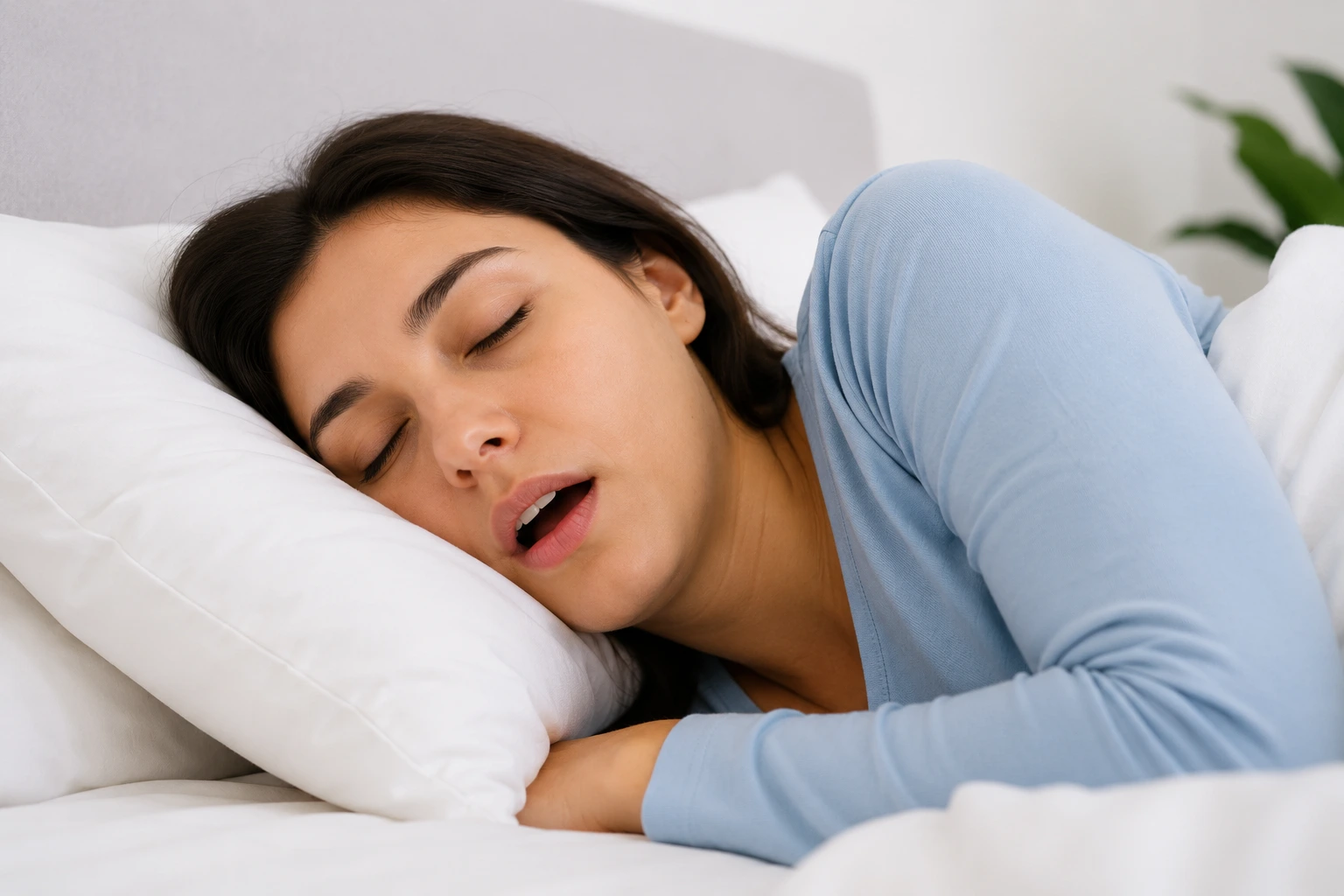
What mouth breathing
is
Mouth breathing means breathing through the mouth
instead of the nose while asleep. It often starts when the nasal passages are
congested, narrowed, or simply not moving enough air, so the body takes the
easier route. Common triggers include allergies, a stuffy nose, a deviated
septum, snoring, or obstructive sleep apnea.
For people who use cpapRX,
this topic matters because mouth breathing often overlaps with CPAP use and
sleep-breathing concerns. That makes it a good educational topic first, with
product mentions kept to the end only when they are truly relevant.
7 ways to fix it
1. Clear your nose
before bed
If your nose is blocked, your body will usually switch
to mouth breathing during sleep. That is why the first step is always to make
nasal breathing easier before you go to bed. Saline rinses, allergy management,
cleaner bedding, and clinician-recommended nasal sprays can all help reduce
congestion.
This matters because mouth breathing is usually a
symptom, not the real problem. If the nose stays blocked, even the best sleep
position or breathing drill will only help a little. Once airflow improves,
many people notice that sleep feels easier and more comfortable almost right
away.
2. Sleep on your side
Back sleeping can let the jaw fall open more easily,
which makes mouth breathing more likely. Side sleeping often helps keep the
airway more stable and reduces the chance of sleeping with the mouth open. For
many people, this is one of the easiest changes to try first.
It is not a cure on its own, but it often works better
when combined with nasal care. A supportive pillow or positional aid can also
make side sleeping easier to maintain through the night. If you often wake up
on your back, that may be part of why the problem keeps returning.
3. Raise your head
slightly
A slightly elevated head position can make breathing
feel less restricted and may help reduce open-mouth sleeping. It does not need
to be extreme; even a modest incline can make a difference for some people. The
goal is to reduce pressure on the airway and keep airflow smoother.
This tends to work best when paired with other habits,
especially when congestion is also an issue. On its own, head elevation may
offer only partial relief, but as part of a broader sleep setup, it can be
useful. People who snore, wake up with dry mouth, or feel stuffy at night often
benefit the most.
4. Practice nasal
breathing during the day
How you breathe while awake can shape how your body breathes
at night. That is why practicing nasal breathing during the day can help train
the habit over time. Slow breathing exercises, posture awareness, and
myofunctional-style drills may all support better nasal breathing.
This is especially helpful when mouth breathing has
become a pattern rather than just a response to congestion. It will not solve a
blocked nose or sleep apnea by itself, but it can support the body’s natural
breathing habits. Think of it as retraining, not a fast fix.
5. Reduce dryness and
mouth opening
Dry air can irritate the mouth and throat, which may
make open-mouth sleeping more likely. A bedroom humidifier can help by making
the air feel less harsh and more comfortable to breathe. For some people, that
small change alone can improve comfort enough to matter.
A chin strap is sometimes used by CPAP users or people
whose mouths fall open at night. Still, it should only be considered after the
root problem is understood, because it does not treat congestion or airway
obstruction. If the mouth is opening because breathing is difficult, the cause
needs attention first.
6. Check CPAP fit if
you use one
If you already use CPAP, mouth leak can make treatment
less effective and leave you with a dry mouth in the morning. It can also make
therapy feel uncomfortable enough that you stop using the machine as
consistently as you should. In many cases, the issue is not CPAP itself but the
mask fit, mask style, or pressure comfort.
Some people do better with a full-face mask, while
others are more comfortable with a nasal mask plus added support to reduce
mouth leak. The right setup depends on your breathing pattern, comfort, and
whether the leak is caused by congestion or airway collapse. If CPAP is part of
your routine, getting the fit right is worth the effort.
7. Get checked for the
root cause
If mouth breathing happens often, it is important to
rule out the deeper causes. Sleep apnea, chronic allergies, nasal blockage,
enlarged tonsils, and other structural issues can all be part of the picture.
Snoring, gasping during sleep, waking up tired, or having a dry mouth in the
morning are all signs that it may be more than a habit.
A proper evaluation can help tell the difference between
a temporary issue, like seasonal allergies, and a more ongoing sleep-breathing
condition. That matters because the treatment depends on the cause, not just
the symptom. If the problem keeps coming back despite basic changes, it is time
to look more closely at the airway.
Common mistakes
One of the biggest mistakes is relying only on mouth
tape or a chin strap without fixing congestion first. Another is assuming mouth
breathing is harmless when it may actually point to sleep apnea or another
sleep-disordered breathing issue.
People also waste time on quick fixes and skip the
basics. Side sleeping, nasal care, hydration, and CPAP mask fit are often more
effective than people expect when used consistently.
FAQ
Is mouth breathing at
night bad?
Yes, mouth breathing at night can be a problem if it
happens regularly. It may lead to dry mouth, worse sleep quality, more snoring,
and extra strain on the airway. If it happens often or comes with gasping,
snoring, or fatigue, it is worth paying attention to.
What causes mouth
breathing while sleeping?
Mouth breathing while sleeping is usually caused by
blocked nasal passages, allergies, sleep position, or a sleep-breathing
disorder such as obstructive sleep apnea. In some cases, the problem is
structural, which means the nose or airway makes nasal breathing harder than
normal.
Can sleeping on your
side help?
Yes, sleeping on your side can help reduce mouth opening
in many people. It often keeps the jaw and airway in a better position than
back sleeping. Sleep guidance also commonly recommends side sleeping as a
simple habit that may help with sleep-disordered breathing symptoms.
Does a humidifier
help?
Yes, a humidifier can help if dry air is making your
mouth and throat feel irritated at night. It does not fix congestion or sleep
apnea, but it can make breathing more comfortable and reduce dryness-related
mouth opening.
Should I tape my mouth
shut?
No, mouth taping should not be the first thing you try,
especially if you have congestion, snoring, or possible sleep apnea. It can
create discomfort or breathing problems for some people. The safer approach is
to address the reason your mouth is opening in the first place.
Can CPAP stop mouth
breathing?
Yes, CPAP can help some people reduce mouth breathing by
stabilizing the airway and improving sleep breathing. But the mask fit matters
a lot. If air is leaking through the mouth during therapy, you may need a
different mask style or additional support from a clinician.
When should I see a
doctor?
You should see a doctor if mouth breathing is frequent,
if you snore loudly, wake up gasping, feel exhausted during the day, or suspect
blocked nasal passages or sleep apnea. Those signs suggest the problem may be
more than a simple habit.
Can allergies cause
mouth breathing at night?
Yes, allergies can block the nose and push you into
mouth breathing while sleeping. Treating allergies, reducing bedroom irritants,
and using medically appropriate nasal care can help a lot.
Bottom line
The best way to stop mouth breathing while sleeping is
to find the real cause and treat that first. Once the nose is clearer, the
sleep position is better, and any CPAP issues are handled, most people find
that breathing and sleep quality improve naturally.


Comments
Post a Comment