CPAP Machine Prices in 2026: What You’ll Really Pay
Shopping for sleep therapy equipment in 2026? Before comparing individual machines, it helps to understand the full cost of ownership. Our complete CPAP cost guide covers the broader pricing picture; this companion article focuses on the practical numbers, equipment types, recurring supplies, and ways to control your out-of-pocket spending.
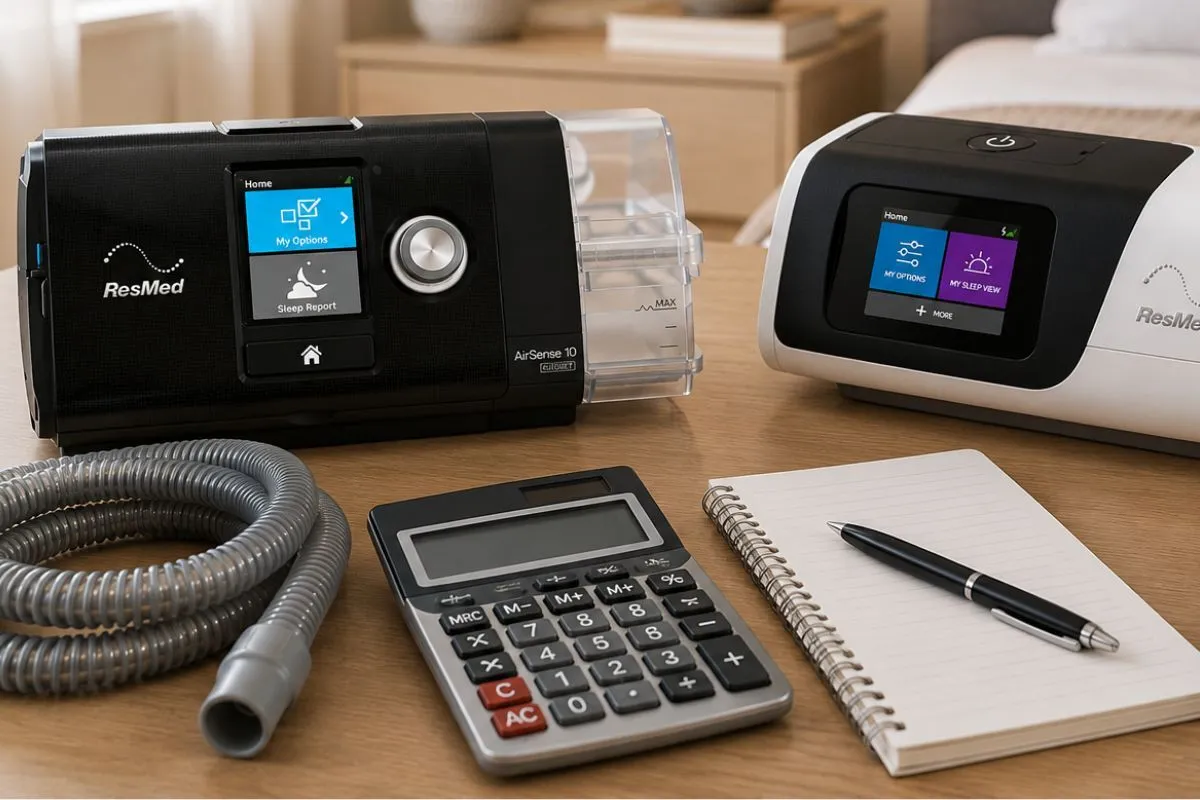
2026 CPAP Cost at a Glance
For a new machine purchased privately in the United States, a realistic planning range is roughly $500–$1,500 for many standard devices. Some models fall below that range, while premium or advanced systems can cost substantially more. Insurance can reduce what you personally pay, but deductibles, copays, coinsurance, rental arrangements, and non-covered accessories can change the final bill.
|
Equipment |
Typical 2026 planning range |
|
Fixed-pressure CPAP |
$300–$900 |
|
Automatic PAP / APAP |
$500–$1,600 |
|
Portable travel device |
$600–$1,000 |
|
BiPAP / bilevel device |
$900–$3,000 |
|
Refurbished device |
$200–$900 |
|
Mask and headgear |
$50–$300 |
|
Replacement supplies per year |
$200–$400+ |
These figures are budgeting ranges rather than guaranteed retail quotes. Model availability, included accessories, warranty terms, shipping, promotions, and seller pricing can all affect what you actually pay.
Why Two CPAP Machines Can Have Very Different Prices
The price tag is influenced by the therapy mode, pressure technology, portability, connectivity, comfort features, and what is included with the purchase. A simpler fixed-pressure machine may be less expensive than an automatic or bilevel system, while a compact travel machine can command a premium because of its smaller design.
Before comparing prices, make sure you are comparing machines that provide the same type of therapy. A lower price is not a useful saving if the device cannot deliver the treatment prescribed by your healthcare professional.
Fixed-Pressure CPAP: The Lower-Cost Starting Point
Fixed-pressure CPAP equipment delivers air at one prescribed pressure rather than changing pressure automatically throughout the night. Because the system is relatively straightforward, these devices commonly sit toward the lower end of the price range.
They can be a practical choice when a patient’s treatment settings are already established. The key consideration is still prescription compatibility, not simply the cheapest available model.
APAP: More Flexibility, Usually More Cost
Automatic positive airway pressure, or APAP, can adjust pressure within a prescribed range as breathing conditions change during sleep. Many buyers value this flexibility, especially when automatic adjustment and therapy data are important.
Wireless reporting, mobile connectivity, detailed sleep data, and other advanced functions can increase the purchase price. Compare those features with your actual therapy needs before paying extra.
Travel CPAP: Small Size Can Carry a Premium
Travel machines are designed for people who need a smaller and lighter setup for trips, work, or limited storage space. Their compact size does not necessarily make them cheaper. Miniaturized components and portability can push the price close to, or above, that of a standard home unit.
When comparing travel equipment, check mask compatibility, humidification options, battery support, travel accessories, warranty coverage, and whether your insurance allows a second device.
BiPAP and Bilevel Systems
Bilevel devices use different pressure levels for inhalation and exhalation and are prescribed for specific clinical needs. They are generally more expensive because the pressure-delivery technology is more advanced.
If bilevel therapy has been prescribed, do not substitute a less expensive standard CPAP or APAP simply to reduce the purchase price. The equipment should match the treatment plan.
Features That Can Push the Price Higher
· Automatic pressure adjustment
· Heated humidification
· Heated tubing
· Pressure-relief functions
· Wireless compliance reporting
· Smartphone connectivity
· Detailed therapy and sleep reports
· Quieter motor design
· Battery compatibility
· Travel-oriented construction
· Longer warranty coverage
· Enhanced manufacturer support
Not every premium feature is necessary for every user. Focus on functions that improve the therapy experience or support your prescribed treatment rather than paying for technology you will not use.
The Machine Is Only Part of the First Purchase
A common budgeting mistake is to compare only the machine price. A first-time setup can also require a mask, tubing, filters, a humidifier chamber, and replacement cushions. For example, a $700 device can become an $850–$1,200 initial setup after essential accessories are added.
A useful comparison is therefore the complete package price, not the headline device price alone.
Example: Building an Out-of-Pocket CPAP Budget
|
Purchase item |
Possible cost |
|
Automatic device |
$500–$1,600 |
|
Mask system |
$100–$300 |
|
Tubing and filters |
$30–$100 |
|
Humidifier chamber |
$30–$80 |
|
Extra cushion or nasal pillows |
$30–$100 |
|
Shipping |
Varies |
|
Illustrative initial total |
$690–$2,180 |
This is an example for planning, not a fixed quote. Promotions, older supported models, premium equipment, additional masks, and specialized accessories can move the total up or down.
CPAP Costs Without Insurance
Private purchases may be attractive when an insurance deductible has not been met, a preferred model is outside the plan’s coverage, the insurer requires a rental arrangement, or a buyer wants to choose a particular supplier. A cash purchase may also be faster in some situations.
In the United States, PAP equipment generally requires a prescription. The device should match the prescribed treatment mode and pressure requirements even when you are paying out of pocket.
Should You Consider a Refurbished Machine?
A professionally refurbished device can reduce the upfront cost. Look for evidence that the machine was inspected, tested, cleaned according to appropriate procedures, and sold with a clear warranty and return policy.
Be more cautious with used equipment from unknown sellers. Usage hours, storage conditions, cleaning history, internal condition, and parts availability may be difficult to verify.
· Has the machine been professionally tested?
· Are operating hours available?
· Were worn components replaced?
· Is the air path clean?
· Is the power supply included?
· What warranty is provided?
· What is the return period?
· Are replacement filters and other parts still available?
· Does the manufacturer still support the model?
How Insurance Can Change Your Final Cost
Insurance coverage does not automatically mean a CPAP setup will be free. Your responsibility can depend on the deductible, copay, coinsurance, supplier network, prior authorization, rental policy, and whether accessories are covered.
Depending on the plan, you may still encounter:
· Deductible payments
· Copays
· Coinsurance
· Monthly rental charges
· Upgrade charges
· Out-of-network fees
· Non-covered accessories
· Supplies purchased outside the plan’s replacement schedule
Before ordering, ask the insurer for the plan’s allowed amount and your expected member responsibility rather than relying only on a supplier’s retail price.
Questions to Ask Your Insurance Provider
1. Is PAP therapy covered as durable medical equipment?
2. Are automatic PAP machines covered?
3. Are travel devices covered?
4. Is BiPAP handled under different coverage rules?
5. Do I need prior authorization?
6. Is a sleep study required?
7. Must I use a specific supplier?
8. Will the equipment be rented or purchased?
9. How long does the rental period last?
10. How much of my deductible remains?
11. What percentage of the approved amount will I pay?
12. Are masks and tubing covered?
13. How often can replacement supplies be obtained?
14. Are there usage or compliance requirements?
15. What happens if my insurance plan changes?
Keep the representative’s name, the date of the call, and any reference number. Written confirmation can be useful if the supplier later bills you differently.
Medicare and CPAP Equipment
Medicare Part B may cover eligible sleep-apnea equipment when the beneficiary meets the program’s requirements. After the applicable Part B deductible, beneficiaries generally pay 20% of the Medicare-approved amount when the supplier accepts assignment. Medicare commonly uses a 13-month rental period before ownership transfers.
Continued coverage may depend on documented use and benefit from therapy, and follow-up care may be required. Medicare Advantage plans can have different networks and cost-sharing rules, so confirm the details with the plan before ordering.
Recurring Expenses to Add to Your Annual Budget
The machine can last for years, but consumable parts need replacement. A reasonable planning figure is around $200–$400 or more per year for filters, tubing, cushions, water chambers, and other supplies. The actual amount depends on replacement frequency, insurance benefits, product choice, and personal use.
Masks
Masks can cost roughly $50–$200 or more, depending on the style, brand, and whether the package includes the frame, cushion, and headgear.
· Nasal masks
· Nasal pillow masks
· Full-face masks
The best mask is not necessarily the most expensive. Fit, comfort, facial structure, sleeping position, nasal breathing, congestion, and leak control all matter.
Filters, Tubing and Humidifier Parts
Filters are relatively inexpensive but require regular inspection and replacement according to the manufacturer’s instructions. Disposable filters should not be washed unless the manufacturer specifically says that they are washable.
Standard tubing is generally affordable, while heated tubing may cost more and can help with condensation. Replace tubing when it becomes cracked, stiff, discolored, or loose.
Humidifier chambers should be replaced when they become damaged, cloudy, stained, cracked, or difficult to clean. Follow the instructions for the exact machine and do not add oils, fragrance, or other substances unless approved by the manufacturer.
Cushions and Headgear
Cushions and nasal pillows gradually wear down, while headgear can stretch and lose its ability to hold the mask securely. Replacing worn components can improve comfort and reduce leaks. Insurance replacement schedules vary, while cash buyers can generally replace parts based on condition and manufacturer guidance.
Smart Ways to Reduce Your CPAP Spending
The lowest sticker price is not always the lowest total cost. Compare the complete package and the expected cost of ownership.
Compare What Is Included
· Exact model
· Therapy mode
· Pressure range
· Mask and size
· Humidifier
· Tubing
· Power supply
· Warranty
· Return policy
· Prescription requirements
· Shipping charges
· Financing terms
· Replacement-part availability
A slightly higher-priced package can be the better value if it includes useful accessories, better warranty protection, or lower shipping costs.
Look at Older Supported Models
A previous-generation machine may offer good value if it remains supported and replacement parts are easy to obtain. Check its age, operating hours, warranty, software compatibility, and supply availability before buying.
HSA and FSA Considerations
Prescribed sleep-therapy equipment may qualify for HSA or FSA payment or reimbursement. Your account administrator may require documentation such as a prescription or receipt, and eligibility can differ for optional accessories and cleaning products. Confirm the rules before using your funds.
Be Careful With Discounts
Bundles and seasonal promotions can reduce the initial bill, but read the details. Confirm exactly what is included, whether the item is final sale, and what the warranty, return, shipping, and prescription requirements are.
Financing and Rent-to-Own Options
Payment plans can spread a large purchase over several months. Options may include retailer installment plans, promotional APR offers, medical financing, insurance rental arrangements, HSA/FSA payment, employer benefits, manufacturer promotions, or nonprofit assistance.
Do not judge a financing offer by the monthly payment alone. Calculate the full repayment amount and review the interest rate, promotional deadline, fees, late-payment rules, and return policy.
Rent-to-own can lower the upfront payment but may increase the final cost. Add every payment and fee and compare the result with the direct cash price. For any cpapRX financing offer, review the specific terms displayed at checkout because eligibility and terms can vary.
Choosing the Right Machine for Your Needs
Start with the therapy your clinician prescribed. Then compare comfort, portability, data access, warranty support, and replacement-part availability.
If You Are New to CPAP Therapy
· Correct therapy mode
· Comfortable mask
· Straightforward data access
· Clear warranty
· Useful return period
· Easy access to replacement supplies
· Reliable customer support
You do not necessarily need every premium feature. Prioritize the functions that support consistent, appropriate therapy.
If You Travel Often
Compare weight, dimensions, battery options, humidification, mask compatibility, travel-case availability, and the cost of any extra accessories. A travel device can be convenient but may have different features from a full-size home machine.
If You Breathe Through Your Mouth
Mask selection may deserve extra attention when nasal congestion or regular mouth breathing is an issue. Discuss nasal, nasal-pillow, and full-face options with a qualified healthcare professional. Persistent dry mouth, significant leaks, skin irritation, or difficulty using therapy should also be discussed with your clinician.
If You Need Advanced Therapy
People prescribed BiPAP, adaptive servo-ventilation, or another advanced therapy should not switch to a cheaper standard device without medical guidance. A lower-cost machine is not an appropriate replacement if it cannot deliver the prescribed therapy.
CPAP Purchase Checklist
· Confirm that your prescription is current.
· Verify the prescribed therapy mode.
· Compare the complete package price.
· Check whether a mask is included.
· Confirm the power supply and tubing.
· Read the warranty terms.
· Review the return policy.
· Check delivery charges.
· Read all financing terms.
· Ask your insurer about coverage.
· Check replacement-supply limits.
· Keep your prescription and receipt.
· Buy from a reputable supplier.
· Confirm replacement parts are available.
If you are unsure about a particular model, ask your sleep specialist or the supplier’s support team before placing the order.
Frequently Asked Questions
What is a reasonable CPAP budget for 2026?
For many new machines purchased privately, $500–$1,500 is a useful starting range. Fixed-pressure devices can cost less, while travel and advanced bilevel systems may cost more. Masks and recurring supplies should be included in the overall budget.
How much can a CPAP setup cost without insurance?
A private purchase can range from roughly $300 to $1,500 or more for the device itself. Once a mask, tubing, filters, humidifier components, and other essentials are added, the initial setup can be considerably higher.
Does insurance pay the entire CPAP cost?
Not necessarily. Coverage can still leave you with a deductible, copay, coinsurance, rental charges, upgrade costs, or non-covered accessories. Check your plan’s specific rules before ordering.
Does Medicare help cover CPAP equipment?
Eligible beneficiaries may receive coverage through Medicare Part B when program requirements are met. Cost sharing and rental rules apply, and continued coverage can require evidence of use and benefit.
Can I use HSA or FSA money for CPAP equipment?
Prescribed sleep-therapy equipment may qualify, but account rules and documentation requirements can vary. Confirm eligibility with your HSA or FSA administrator before purchasing.
Which CPAP type is usually cheapest?
Fixed-pressure CPAP machines are generally toward the lower end of the market. APAP systems often cost more, while bilevel devices are typically more expensive because they use more advanced pressure delivery.
Are payment plans available?
Retailer financing, promotional offers, medical financing, and insurance rental arrangements may be available. Compare the total amount repaid rather than focusing only on the monthly payment.
Do I need a prescription?
In the United States, a prescription is generally required for new CPAP, APAP, and BiPAP equipment. The prescription identifies the treatment mode and pressure requirements.
How much should I budget for masks and replacement supplies?
A mask may cost around $50–$200 or more, while annual replacement supplies can be roughly $200–$400 or more. Actual spending depends on the equipment, replacement schedule, insurance coverage, and personal needs.
Explore CPAP Equipment and Financing
Once you understand the full cost, you can compare machines, masks, travel equipment, BiPAP systems, replacement supplies, and available payment options through cpapRX. Always review the individual product page for current pricing, availability, shipping, prescription requirements, warranty details, and financing terms.
Final Takeaway
A CPAP machine’s advertised price is only one part of the financial picture. The therapy type, mask, accessories, replacement supplies, insurance rules, and financing terms can all change what you ultimately spend. Compare the complete setup, confirm that the equipment matches your prescribed therapy, and evaluate the long-term cost before choosing the lowest-priced option.


Comments
Post a Comment