CPAP Machine Recall 2026: Is Your Machine Affected and What to Do
A cpap machine recall can be stressful, but the first step is easy: check your model and serial number, then confirm the recall status with the manufacturer or your DME. Philips is still the main recall case, and many users are now in the replacement or closure stage.
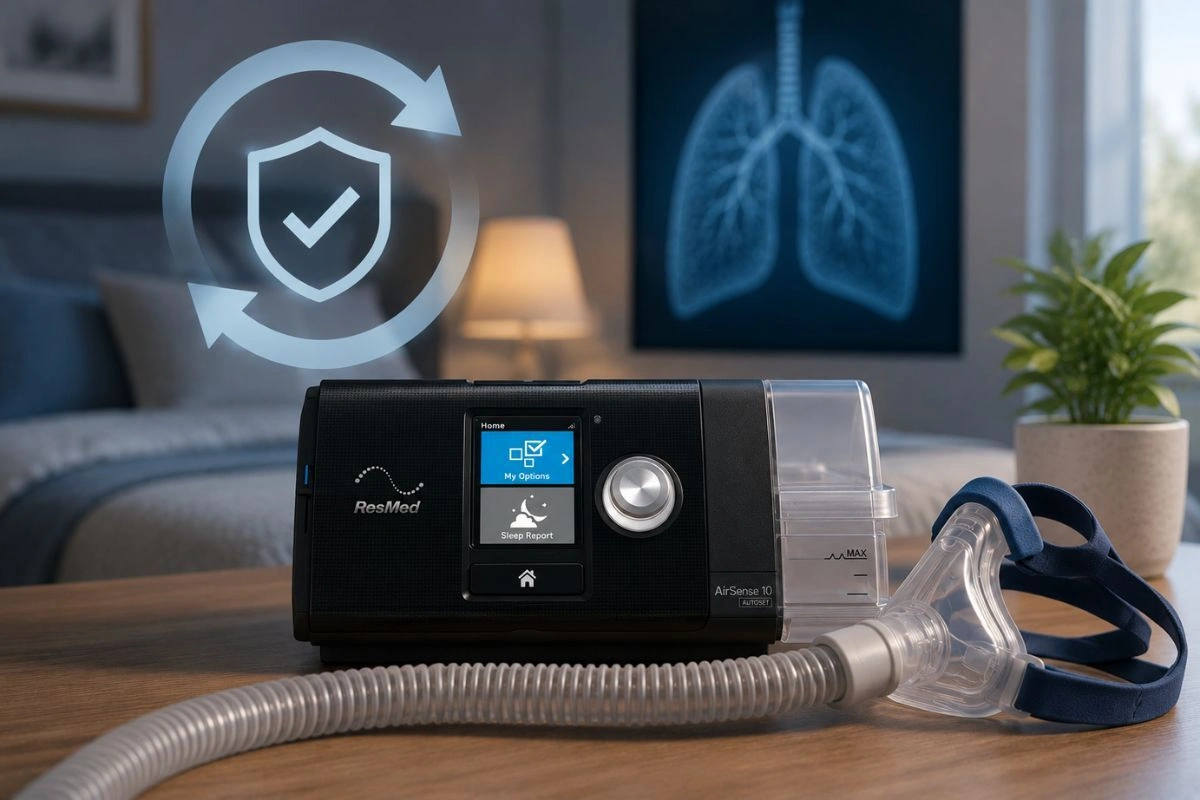
What The Recall Means
This cpap machine recall mostly
refers to Philips Respironics devices that were linked to foam breakdown
concerns. The issue involved certain CPAP, BiPAP, and ventilator products made
in specific years, and Philips has continued working through the remediation
process into 2026.
If you are looking for the philips
cpap recall list, the safest approach is to check the exact model name and
serial number on the machine itself instead of trusting the box or your memory.
Philips and the FDA have both told users to verify whether their exact unit is
affected.
Is Your Machine Affected
The fastest way to answer my cpap
machine recall is to look at the label on the device and compare it with the
recall information from Philips or the FDA. Several Philips DreamStation models
and related devices were included in recall actions, and later updates also
affected some DreamStation-related units.
A simple rule helps here: if your
machine is a Philips Respironics device and you have not checked the model and
serial number, you should do that now. The recall is based on the exact device,
not just the brand name.
What To Do First
Start by finding the model number
and serial number, usually printed on the bottom or back of the machine. Then
contact your DME, sleep doctor, or Philips support to confirm whether the
device is part of the recall and whether you qualify for a cpap recall
replacement.
If the machine is affected, do not
try to handle everything alone. Your doctor may tell you to keep using it until
a replacement is available, move to another device, or make a different choice
based on your health needs.
Health Concerns
People often ask about cpap recall
symptoms, especially after using a possibly recalled machine for a long time.
The concerns have focused on foam particles, irritation, and possible exposure
effects, but the right response depends on your health history and how much you
rely on therapy.
If you notice new coughing, throat
irritation, headaches, or unusual discomfort, tell your clinician and mention
the recalled device clearly. Even if you feel fine, it is still smart to
confirm your status and note how long you used the machine.
Replacement And Refund
The Philips respironics recall 2026 update shows that Philips has
already remediated most registered devices and is still handling remaining
cases, although the U.S. patient portal has been closed. In some situations,
Philips now asks users to email support with the device details and questions.
If replacement or refund steps feel
confusing, focus on three things: confirm the recall, save your device details,
and follow the instructions from Philips or your provider exactly. Keep copies
of emails, registration numbers, and shipping records so you have proof later
if needed.
Simple Checklist
Use this checklist if you want a
fast answer and a clear next step:
●
Find the model name and serial
number on the device.
●
Compare it with the recall list from
Philips or the FDA.
●
Ask your doctor whether you should
keep using it until replacement.
●
Contact your DME provider for help
with paperwork or swaps.
●
Save every email, claim number, and
shipping record.
If you are still unsure, ask one
direct question: “Is this exact machine recalled, and what should I do next?”
That usually gets a clearer answer than searching general recall news.
1. Heard about a recall and panicking — doesn't know if
their machine is affected
Check the model and serial number
first. That is the quickest way to know whether your device is on the recall
list, and it matters more than the brand name alone. If it is a Philips
Respironics machine, your DME or doctor can help confirm the status.
2. Been using a possibly-recalled machine for months,
worried about health effects
Tell your doctor and write down the
machine you used, the dates, and any symptoms you noticed. The concern is not
only the recall itself, but also your own health situation and exposure
history. If you have new symptoms, mention them as soon as possible.
3. Confused about replacement/refund process
Start with the manufacturer’s
instructions and your DME provider. Philips has continued remediation, but the
U.S. patient portal closed in 2026, so email support or your supplier may be
the next step depending on your case.
4. Doctor mentioned the recall but didn't explain next steps
Ask for one clear plan: continue
using it, stop using it, or switch devices. The FDA and AASM have advised
patients to talk with their provider about whether therapy should continue
while waiting for replacement, because the right choice depends on how serious
your sleep apnea is.
5. Wants a clear checklist: model number, what to check, who
to contact
Check the model and serial number on
the machine, compare it to the recall list, then contact your doctor, DME
supplier, or Philips support. Keep screenshots and emails so you have a record
of what you checked and when.
Shop Related Products
If your machine is recalled or being
replaced, having a backup mask, extra filters, and compatible tubing can make
the transition much easier. The right accessories can reduce downtime while you
sort out the recall process.
Resources & Further Reading
●
Philips recall support information
●
AASM safety communication on Philips recall


Comments
Post a Comment