You Don't Need to Shave for CPAP Therapy — Here's the Real Fix
If you've just been told to start CPAP therapy and you've got a beard, there's a decent chance someone — a nurse, a forum post, a well-meaning friend — has already suggested shaving it off. Skip that advice.
The actual fix is much smaller than a full shave: trimming just the spots where the mask cushion touches your skin, usually down to about 1–2mm. That's it. The nose bridge for nasal masks, just below the nostrils, or the upper lip line for full face designs. Everywhere else, your beard stays exactly as it is.
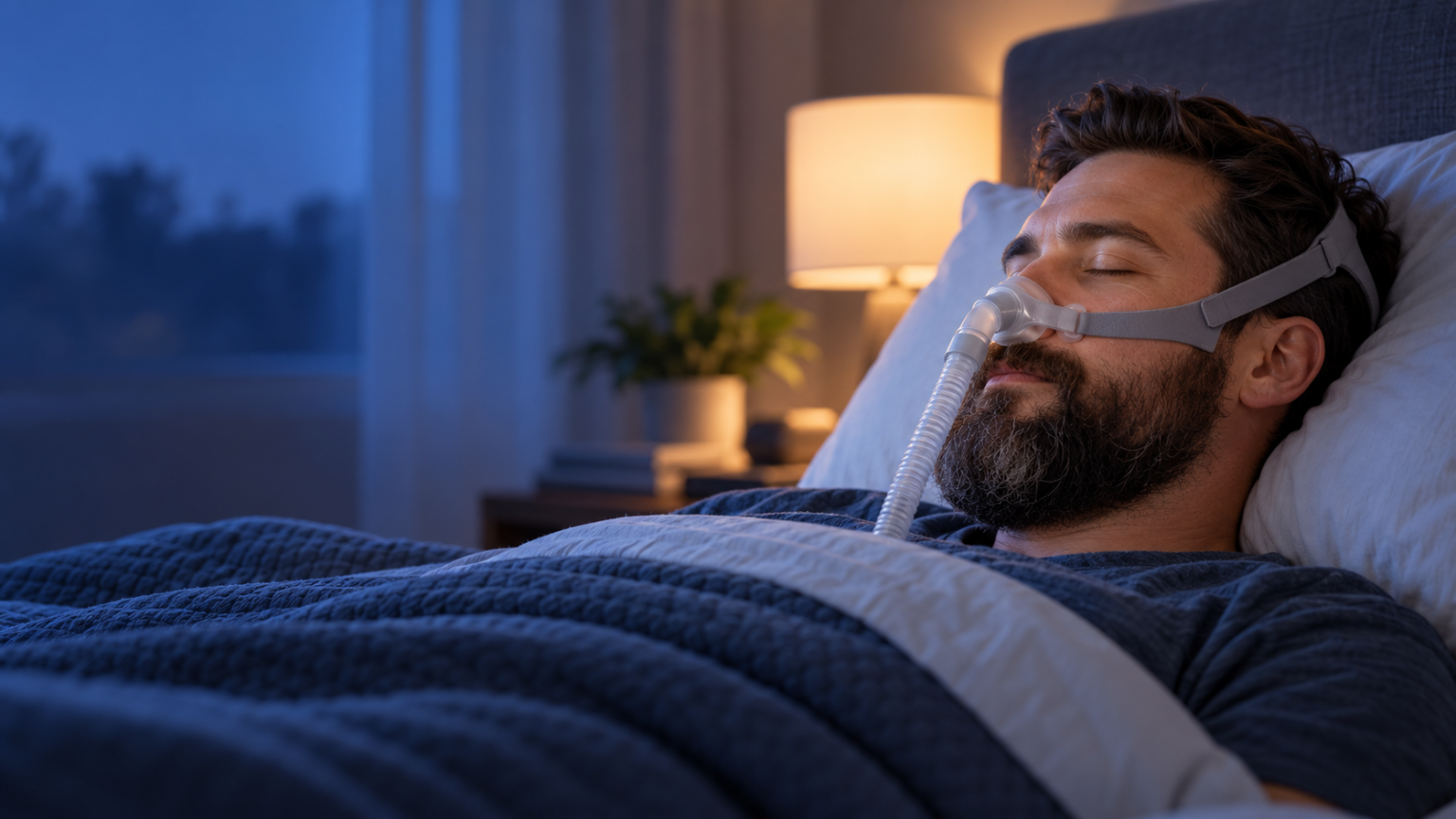
Why this works better than shaving is simple physics. A CPAP seal doesn't need a hairless face — it needs a flat, even surface where the cushion makes contact. Thick, untrimmed hair right under the cushion creates tiny channels air can escape through. Trim just that narrow band, and the cushion seats properly again.
Mask choice matters too. Minimal-contact styles — nasal pillows, under-nose nasal masks — touch far less of your face to begin with, so there's simply less beard in the way. A full, old-style face mask fights your beard the whole night; a nasal pillow barely notices it's there.
If leaks are still happening after trimming, a thin mask liner often closes the rest of the gap without touching your beard or your straps at all.
For the full breakdown of which mask styles handle facial hair best, this guide to the best CPAP mask for beard users covers specific models worth trying.
This article is for general education and is not medical advice.


Comments
Post a Comment